
Conventional vs. Synthetic Oil: What’s the Difference?
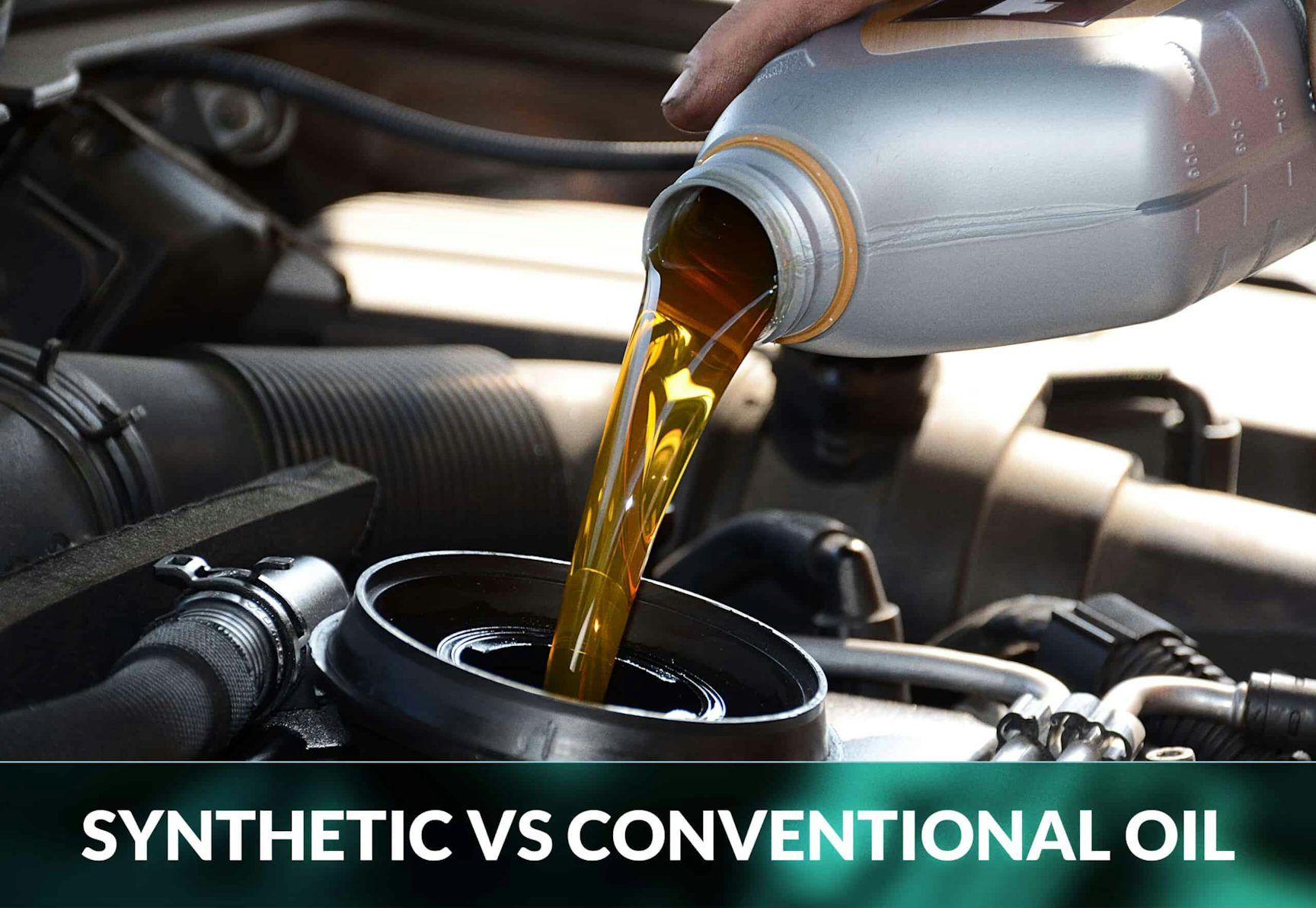
Conventional Oil

- What it is: Conventional oil is derived from crude oil and is more traditional in its formulation.
- Pros: It’s generally less expensive than synthetic oil.
- Cons: Conventional oil doesn’t last as long and may not perform as well in extreme temperatures. It also breaks down faster, requiring more frequent changes.
Synthetic Oil

- What it is: Synthetic oil is man-made, engineered to provide better performance and protection. It’s often a blend of synthetic base oils and conventional oils.
- Pros: Synthetic oil lasts longer, provides better protection for your engine, especially in extreme temperatures, and helps reduce engine wear and tear.
- Cons: Synthetic oil is typically more expensive than conventional oil, but the longer oil change intervals may make it a more cost-effective option in the long run.
Many newer cars are designed to run on synthetic oil, and it is often recommended by manufacturers for better engine protection.
Can I Change My Oil Myself?

If you're feeling adventurous, changing your own oil is a doable task for many car owners, provided you have the right tools and a bit of patience. Here’s what you’ll need:
A jack and jack stands (if your car is low to the ground)An oil drain pan
Wrenches and sockets
A new oil filter and oil (of the right type and quantity)
A funnel
However, if you’re not comfortable doing it yourself or don’t have the tools, it’s best to take your car to a professional mechanic or a quick-lube service center to ensure the job is done properly.

Conclusion
Regular oil changes are essential to the health and longevity of your car’s engine. By paying attention to signs such as engine noise, oil color, and dashboard lights, you can determine when it’s time for an oil change. Make sure to follow the oil change interval recommended by your vehicle’s manufacturer, and choose the right oil type (conventional or synthetic) based on your car's needs. If you're ever in doubt, a quick consultation with your mechanic can ensure that your car stays in top shape for many miles to come.
.png)


.png)


.png)
Comments
Post a Comment